Tarot Basics10 min read
The Complete Beginner's Guide to Tarot Reading
Everything you need to know to start your tarot journey, from understanding the Major and Minor Arcana to performing your first reading.
✨
By NYX
Tarot Expert
The Complete Beginner's Guide to Tarot Reading
Welcome to the mystical world of tarot! Whether you're drawn to tarot for spiritual guidance, self-reflection, or simple curiosity, this comprehensive guide will help you begin your journey with confidence.What is Tarot?
Tarot is an ancient divination practice that uses a deck of 78 symbolic cards to provide insight, guidance, and clarity about life situations. Each card carries specific meanings and symbolism that, when interpreted together, tell a story about your past, present, and potential future.Understanding the Tarot Deck
A standard tarot deck consists of 78 cards divided into two main sections:The Major Arcana (22 Cards)
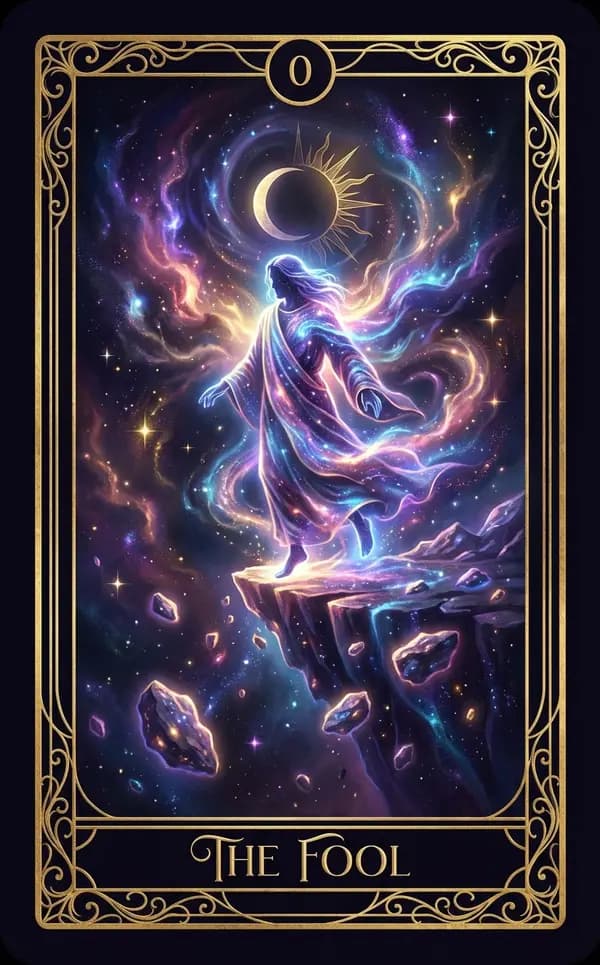
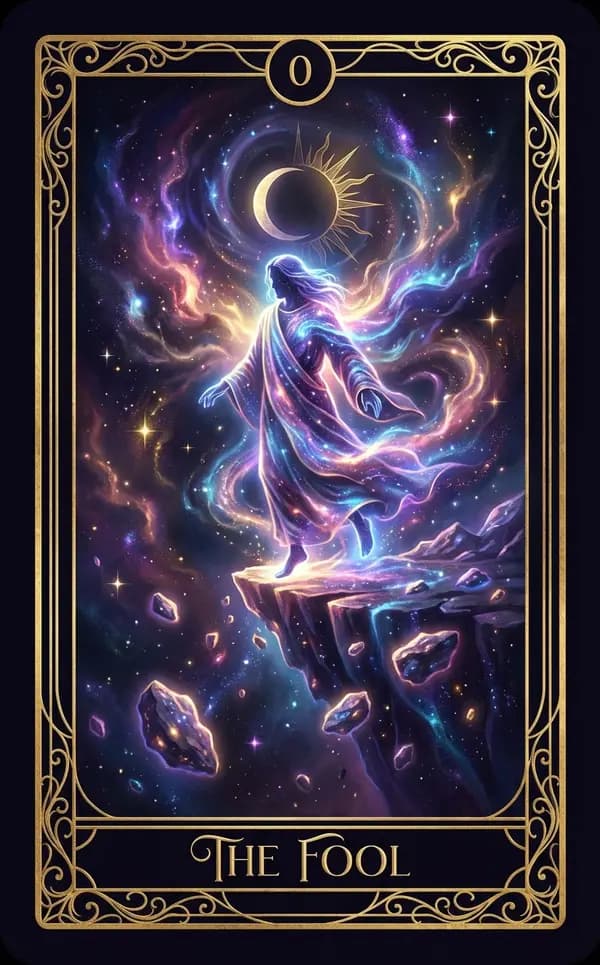
The Major Arcana represents life's significant themes and spiritual lessons. These cards include iconic images like The Fool, The Magician, The High Priestess, and The World. When a Major Arcana card appears in your reading, it signals important life events or profound spiritual lessons. Key Major Arcana cards to know:- The Fool (0): New beginnings, innocence, spontaneity
- The Magician (I): Manifestation, resourcefulness, power
- The High Priestess (II): Intuition, sacred knowledge, divine feminine
- The Empress (III): Abundance, nurturing, fertility
- The Emperor (IV): Authority, structure, control
- The Lovers (VI): Love, harmony, relationships, choices
- The Chariot (VII): Willpower, determination, success
- Justice (XI): Fairness, truth, cause and effect
- The Tower (XVI): Sudden change, upheaval, revelation
- The Star (XVII): Hope, faith, renewal
- The Moon (XVIII): Illusion, intuition, uncertainty
- The Sun (XIX): Success, vitality, joy
- The World (XXI): Completion, accomplishment, fulfillment
The Minor Arcana (56 Cards)
The Minor Arcana deals with day-to-day experiences and is divided into four suits: 1. Wands (Fire): Creativity, passion, action, ambition 2. Cups (Water): Emotions, relationships, intuition 3. Swords (Air): Thoughts, communication, conflict, truth 4. Pentacles (Earth): Material world, finances, career, health Each suit contains 14 cards: Ace through 10, plus four court cards (Page, Knight, Queen, King).How to Start Reading Tarot
Step 1: Choose Your Deck
While the traditional Rider-Waite deck is recommended for beginners due to its clear imagery and widespread use, choose a deck that resonates with you visually and intuitively.Step 2: Cleanse and Connect with Your Deck
Before your first reading:- Hold your deck and set your intention
- Shuffle the cards while focusing on your energy
- Some readers like to sleep with their new deck under their pillow
- Keep your deck in a special cloth or box when not in use
Step 3: Learn Basic Spreads
Start with simple spreads: One-Card Draw: Perfect for daily guidance- Shuffle and draw one card
- Reflect on its meaning in relation to your day
- Past - Present - Future
- Situation - Action - Outcome
- Mind - Body - Spirit
Step 4: Ask Clear Questions
Effective tarot questions are:- Open-ended (avoid yes/no questions)
- Focused on yourself and your actions
- Specific but not limiting
- "What do I need to know about my career path?"
- "How can I improve my relationship with [person]?"
- "What energy should I focus on this month?"
- "Will I get the job?" (too yes/no)
- "What will happen?" (too passive)
- "When will I meet my soulmate?" (too specific about timing)
Interpreting the Cards
Trust Your Intuition
While learning traditional meanings is important, your intuitive response to the cards is equally valuable. Notice:- Your first emotional reaction
- Symbols that catch your eye
- Colors and their associations
- The overall "feeling" of the card
Consider Card Positions
The same card can have different meanings depending on:- Its position in the spread
- Surrounding cards
- Whether it's upright or reversed
- The question asked
Reversed Cards
When a card appears upside-down (reversed), it doesn't necessarily mean "bad." It often indicates:- Internalized energy or private reflection
- Blocked energy needing release
- A necessary pause or delay
- The opposite or shadow aspect of the upright meaning
- Breaking free from a negative cycle (e.g., Devil Reversed)
Common Beginner Mistakes to Avoid
1. Reading too literally: Tarot is symbolic, not predictive 2. Ignoring intuition: Don't rely solely on book meanings 3. Asking the same question repeatedly: Trust your first reading 4. Reading when emotional: Wait until you're calm and centered 5. Fearing "negative" cards: Every card offers wisdom and growth opportunitiesBuilding Your Tarot Practice
Daily Practice Ideas
- Draw a daily card each morning
- Keep a tarot journal to track readings and insights
- Study one card per day in depth
- Practice reading for friends (with their permission)
- Join online tarot communities
Developing Your Skills
- Read books by respected tarot authors
- Take online courses or workshops
- Practice different spreads regularly
- Meditate with tarot cards
- Create your own card meanings based on personal experience
Ethics of Tarot Reading
As you develop your practice, remember:- Never make medical, legal, or financial predictions
- Respect free will - readings show possibilities, not fixed futures
- Maintain confidentiality when reading for others
- Be honest but compassionate in your interpretations
- Know when to refer someone to professional help
Your Tarot Journey Begins
Remember, learning tarot is a lifelong journey. Be patient with yourself, practice regularly, and trust that your understanding will deepen over time. Every reader develops their own unique style and relationship with the cards. Start with one card daily, journal your insights, and gradually expand to more complex spreads. Most importantly, enjoy the process of discovery and self-reflection that tarot offers. Ready to begin your first reading? Our AI-powered tarot platform at NYX makes it easy to get started with instant, personalized readings available 24/7. Whether you're practicing or seeking guidance, we're here to support your tarot journey.Frequently Asked Questions
Q: How long does it take to learn tarot? A: Basic proficiency takes 3-6 months of regular practice. Mastery is a lifelong journey. Q: Do I need to be psychic to read tarot? A: No! Tarot reading is a skill anyone can learn. Intuition develops with practice. Q: Can tarot predict the future? A: Tarot shows potential outcomes based on current energy and choices. The future is not fixed. Q: Is it bad luck to buy your own deck? A: This is a myth! Buy any deck that resonates with you. Q: How often should I read tarot? A: Daily single-card draws are fine. For complex questions, wait at least a week between readings on the same topic. Start your free tarot reading journey with NYX today and discover the wisdom of the cards!Tags
tarot for beginnershow to read tarottarot basicslearning tarottarot guide
✨
About NYX
NYX is your AI-powered guide to tarot, astrology, and spiritual growth. Combining ancient wisdom with modern technology, we provide personalized insights and guidance for your journey of self-discovery.
Ready for Your Personal Reading?
Get personalized AI-powered tarot readings, astrology insights, and manifestation guidance.
Start Your Free Reading